CCNA question categories
Quizzes grouped by topic instead of by part — work through everything on one subject in a single pass.
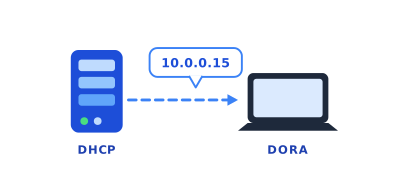
CCNA DHCP Questions
Learn how to configure, verify, and troubleshoot DHCPv4 and DHCPv6 operations, ensuring efficient and automated IP address allocation across dynamic corporate network environments.
Learning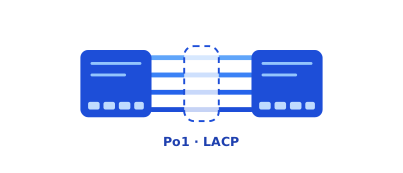
CCNA EtherChannel Questions
Learn how to bundle multiple physical links into a single logical channel for higher bandwidth and redundancy, using LACP, PAgP, and static configuration, including Layer 2 and Layer 3 port channels.
Learning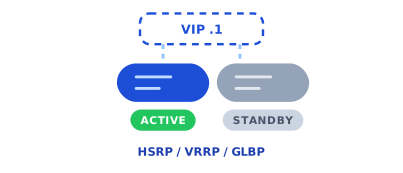
CCNA HSRP and VRRP Questions
Master the concepts and configuration of first-hop redundancy protocols like HSRP and VRRP to provide high availability, default gateway redundancy, and seamless failover for network endpoints.
Learning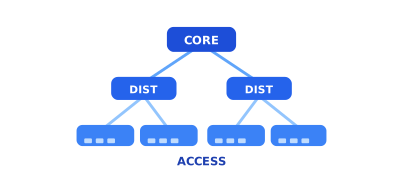
CCNA Network Devices Questions
Learn the roles, functions, and operational characteristics of critical network components like routers, switches, firewalls, and access points, along with fundamental topology architectures.
Learning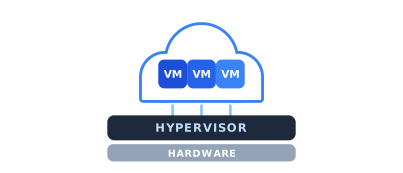
CCNA Virtualization Questions
Explore core cloud computing concepts, virtualization benefits, and how modern network architectures integrate with cloud-based services and infrastructure.
Learning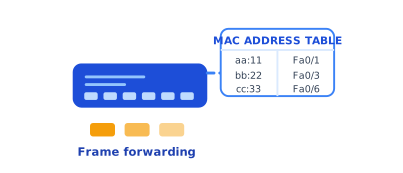
CCNA Switching Concepts Questions
Master the fundamentals of Layer 2 switching, including MAC address table operation, frame forwarding decisions, and basic switch configuration.
Learning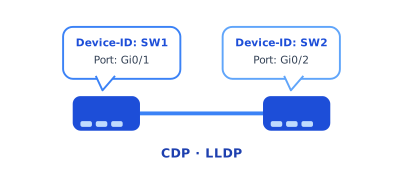
CCNA CDP and LLDP Questions
Understand how to discover, map, and troubleshoot directly connected neighboring devices using Cisco Discovery Protocol (CDP) and Link Layer Discovery Protocol (LLDP).
Learning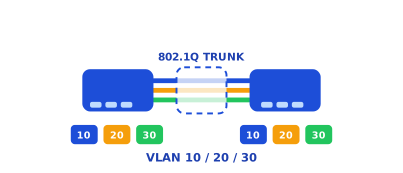
CCNA VLANs and Trunking Questions
Dive into broadcast domain isolation using Virtual LANs (VLANs), Inter-VLAN routing, and trunk link encapsulation protocols like 802.1Q.
Learning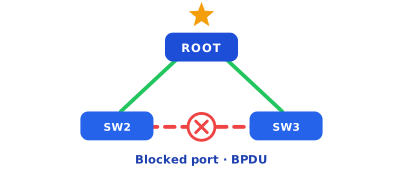
CCNA Spanning Tree and VTP Questions
Learn how to prevent Layer 2 loops using Spanning Tree Protocol (STP/RSTP) and manage VLAN databases efficiently across a switched network.
Learning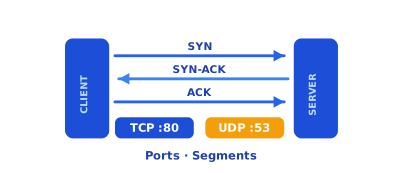
CCNA TCP and UDP Questions
Analyze the mechanisms of connection-oriented TCP and connectionless UDP, including windowing, sequencing, and common port numbers.
Learning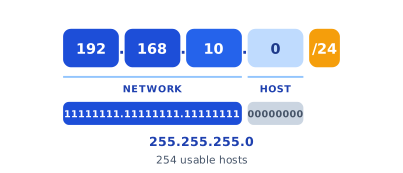
CCNA Subnetting Questions
Master binary math, classless IPv4 addressing, and variable-length subnet masking (VLSM) to design and allocate IP networks efficiently.
Learning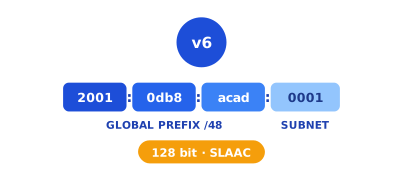
CCNA IPv6 Addressing Questions
Explore next-generation IP addressing, including IPv6 address formats, scopes, allocation types, and autoconfiguration methods like SLAAC.
Learning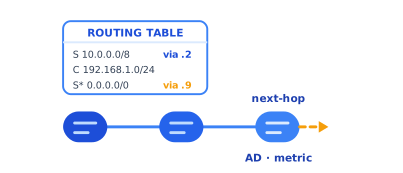
CCNA Static Routing Questions
Explore the fundamentals of IPv4 and IPv6 routing, understand how routers build routing tables, and learn to configure static, default, and floating static routes for precise traffic control.
Learning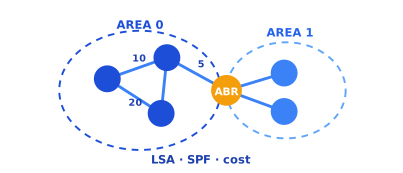
CCNA OSPF Questions
Dive into the architecture of Open Shortest Path First (OSPFv2 and OSPFv3), including link-state operations, neighbor relationships, single-area configuration, and path selection using metrics.
Learning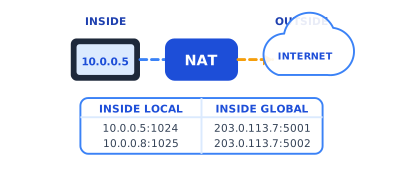
CCNA NAT Questions
Understand the principles of Network Address Translation (NAT) and learn to implement Static NAT, Dynamic NAT, and PAT (NAT Overload) to conserve IPv4 space and secure internal networks.
Learning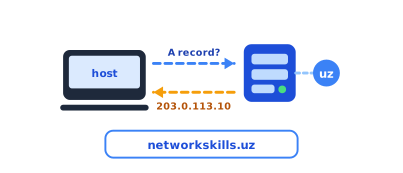
CCNA DNS Questions
Master name resolution from client query to authoritative answer, including record types, the resolver hierarchy, caching and TTL, and basic DNS client and server configuration on Cisco devices.
Learning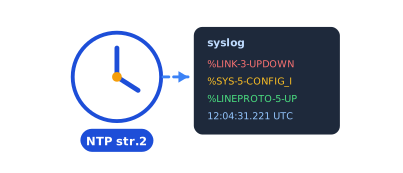
CCNA Network Time and Logging Questions
Learn how to keep consistent time and useful records across the network, configuring NTP clients, servers, and stratum, along with syslog severity levels and remote logging destinations.
Learning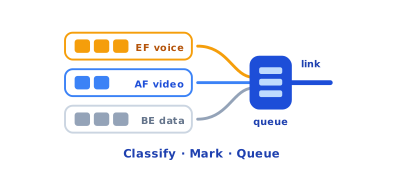
CCNA QoS Questions
Dive into how traffic is classified, marked, queued, and policed, covering DSCP and CoS values, trust boundaries, priority queuing, shaping, and policing for voice and video.
Learning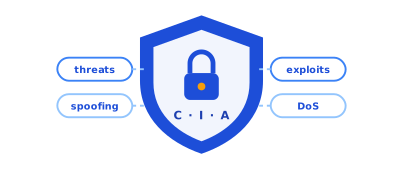
CCNA Security Fundamentals Questions
Explore core security concepts, common threats and exploits, spoofing and denial-of-service attacks, password policies, and the elements of a security program.
Learning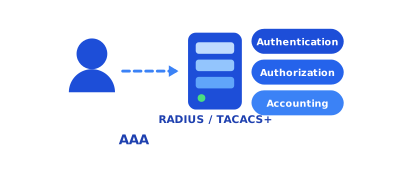
CCNA AAA Questions
Understand how authentication, authorization, and accounting control device access, comparing RADIUS and TACACS+, local versus server-based authentication
Learning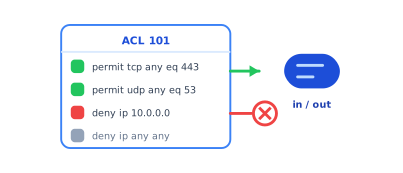
CCNA Access Control Lists Questions
Master how ACLs filter traffic by matching packets against ordered rules, covering standard and extended lists, wildcard masks, placement and direction.
Learning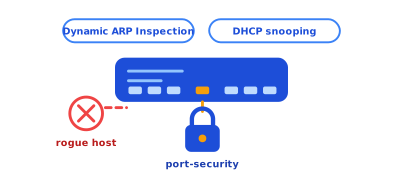
CCNA Port Security and DAI Questions
Learn how to protect the access layer from rogue devices and spoofing, configuring port security with MAC limits and violation modes, DHCP snooping, and DAI.
Learning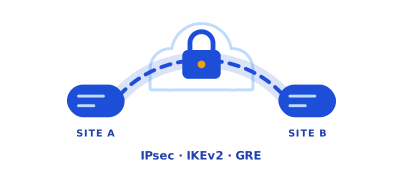
CCNA VPN and IPsec Questions
Explore how encrypted tunnels connect sites and remote users across untrusted networks, covering site-to-site and remote-access designs, IPsec phases, IKEv2, and GRE tunnel fundamentals.
Learning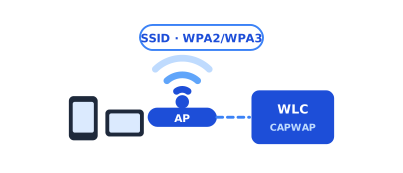
CCNA Wireless Networking Questions
Master wireless principles from RF channels and bands to SSID design, comparing autonomous and controller-based deployments with CAPWAP, AP modes, and WPA2/WPA3 security options.
Learning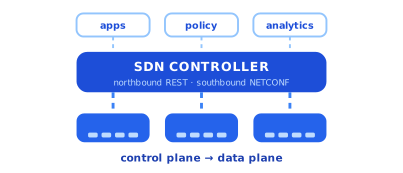
CCNA SDN and Controllers Questions
Understand how control and data planes separate in modern architectures, covering SDN controllers and how controller-based fabrics differ from traditional per-device management.
Learning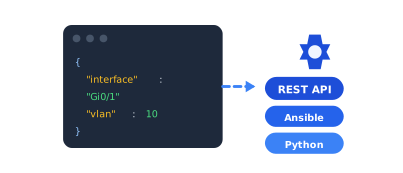
CCNA Automation Questions
Dive into how networks are configured through code rather than the CLI, covering REST APIs, JSON and YAML data formats, and the roles of Python, Ansible, and Terraform.
Learning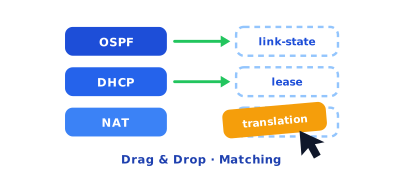
CCNA Drag and Drop Questions
Practice the interactive question formats used in the real exam, matching protocols, terms, and configuration steps to their correct descriptions, categories, and sequence.
LearningCCNA questions by topic
Categories group CCNA 200-301 questions by subject instead of by part, so you can work on one topic at a time: subnetting, VLANs and trunking, spanning tree, OSPF, IPv6, NAT, access lists, wireless, automation and more. It is the quickest way to close a weak area after a practice test shows where you lose points.
Pair each category with the matching CCNA tutorial: read the theory first, then answer the questions on that topic with full explanations.