Puppet Tutorial
Puppet is one of the configuration management and automation tools that come up in the CCNA/automation context, alongside Ansible and Chef. It is used to configure and maintain large numbers of devices consistently, without an administrator having to log into each one by hand.
Architecture and Deployment Model
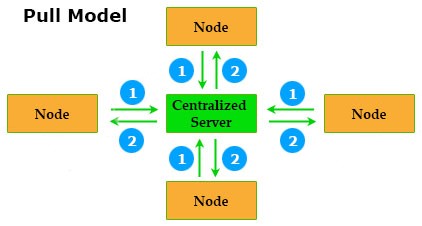
Puppet follows a server/client architecture. A central server, called the Puppet Master, manages a number of nodes (clients), each of which runs a Puppet Agent to communicate with the Master. Puppet uses a pull deployment model: rather than the Master pushing changes out on its own schedule, each node periodically checks in with the Master — by default roughly every 1800 seconds — and pulls down whatever configuration updates are waiting for it.
The rest of this article is for members
The full walkthrough, configuration examples and verification steps are available exclusively to paid members.
View membership plans Log in