Spine-Leaf Architecture Tutorial
Spine-leaf is a network topology widely used today in data centers and cloud environments, built for better scalability, high availability, and consistently low latency. Unlike the traditional three-tier hierarchy (core, distribution, and access layers), a spine-leaf fabric uses just two layers of switches: spine and leaf.
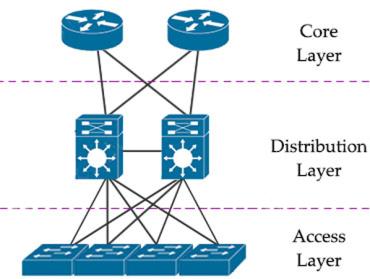
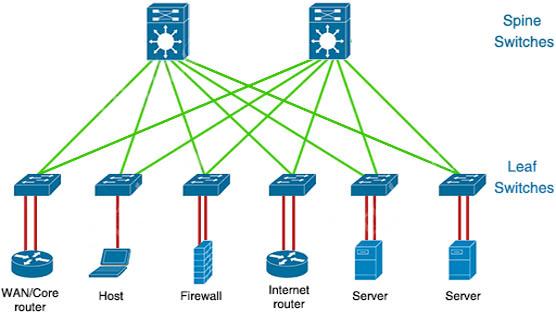
The spine layer is made up of switches that handle routing and act as the network’s core. The leaf layer is made up of access switches that connect to servers, storage, and other end devices. This two-layer design cuts down hop count, reduces latency, and avoids the bottlenecks that tend to show up in three-tier designs.
The rest of this article is for members
The full walkthrough, configuration examples and verification steps are available exclusively to paid members.
View membership plans Log in